You check your tires before a snowy Northeast Ohio commute and notice the tread looks shallow—but are they actually unsafe, or can they go another season? For EV drivers and fleet managers, worn tires don’t just reduce traction on icy Cleveland roads; they also hurt range, braking performance, and ride comfort. Knowing when tread depth has slipped near the 2/32″ legal minimum, when the penny test says it’s time, or when you’ve hit typical 30,000–60,000-mile limits can prevent costly and dangerous surprises.
This article breaks down clear tread depth benchmarks, mileage and age warning signs, and how EV weight and torque change replacement timing, especially in harsh Northeast Ohio winters. You’ll see what to watch for in your own tires, what level of effort it really takes to stay ahead of problems, and how local mobile options like Tires2You’s tire replacement in Cleveland, OH mean you can handle it all without ever visiting a shop.
Your tires will retire long before your EV’s battery does—and knowing exactly when to replace them is the difference between silent efficiency and costly downtime, especially when services like Tires2You can bring new tread to your driveway or fleet lot before problems ever hit the road.
Reference: What to Know When Replacing EV Tires
Introduction
Why Tire Health Matters for EVs in Northeast Ohio
Electric vehicles deliver instant torque and quiet, smooth acceleration, but that performance is only as safe as the tires touching the road. In Northeast Ohio, where Lake Erie effects bring heavy snow, ice, and slush from November through March, worn tires on a Tesla Model 3 or Rivian R1T can turn a normal stop on I-480 into a dangerous slide.
Healthy tires help your EV maintain traction during hard braking, quick lane changes, and regenerative braking on wet or frozen pavement. Even a small loss of grip can add several car lengths to your stopping distance when the roads around Cleveland are snow-packed or covered in black ice.
As tires wear down, your risks climb. Once tread approaches the 2/32″ legal minimum, water and slush can’t channel away effectively, raising the chance of hydroplaning on Route 2 or I-90. EVs are heavier than comparable gas cars because of their batteries, so worn tires are more prone to overheating and blowouts, especially on longer drives between Cleveland and Akron.
Shallow tread also hurts efficiency. Owners often notice their range dropping a bit sooner than expected as rolling resistance changes, especially on cold winter mornings. That means more frequent charging stops and less predictable daily driving.
Knowing when to replace your tires isn’t guesswork. Simple checks like the penny test (seeing if Lincoln’s head is fully visible), tracking mileage ranges of 25,000–40,000 miles, watching tire age, and inspecting for sidewall damage can give you clear answers. When your inspection raises concerns, Tires2You offers mobile tire replacement in Cleveland, OH, so you can swap unsafe tires in your driveway or fleet lot without sending vehicles to a shop.
1. Understanding Tire Wear: Why Timing Matters for EVs and Fleets
1. Understanding Tire Wear: Why Timing Matters for EVs and Fleets
EV-Specific Tire Stress Factors
Electric vehicles push tires harder than many drivers realize. Instant torque from motors in models like the Tesla Model 3 or Rivian R1T can scrub rubber off quickly during hard launches and rapid passing, especially on city streets around Cleveland. A set of performance EV tires that might last 45,000 miles on a gas sedan can be down to 4/32″ in 25,000–30,000 miles on a powerful EV if driven aggressively.
Battery packs also add several hundred pounds to the vehicle, increasing the load on each contact patch. That extra weight, combined with regenerative braking, changes where and how the tread wears—some EVs chew through front tires faster, others the rear, depending on drivetrain layout. Regular monthly inspections, like those suggested in Consumer Reports’ guidance on when to replace your tires, are especially important for EV owners.
Safety Impacts of Worn Tires
As tread depth drops, your safety margin shrinks. The legal minimum is 2/32″, but braking performance on wet roads can degrade noticeably even at 4/32″. Using the penny test, if you can see the top of Lincoln’s head, your tread is around 2/32″ and the tire should be replaced immediately—long before a Cleveland snow or freezing rain event exposes that weakness.
Shallow grooves move less water and slush, raising hydroplaning risk on I-90 or I-271 during heavy rain. Worn tires also give traction control and ABS less to work with, which is critical on high-torque EVs that can spin wheels quickly. Many fleet managers in Northeast Ohio now set internal replacement thresholds at 4/32″ for all-season and 5/32″–6/32″ for winter tires to keep stopping distances predictable.
Northeast Ohio Weather and Road Conditions
Cleveland’s mix of lake-effect snow, slush, and freezing rain demands deeper tread than milder climates. A tire that feels fine on a dry October day can become dangerous once December black ice hits. For winter driving, many safety experts suggest replacing at around 5/32″–6/32″ so the sipes and channels can still bite into packed snow and clear slush effectively.
Freeze–thaw cycles create potholes that can knock wheels out of alignment or bruise sidewalls on delivery vans and rideshare EVs running downtown routes. Road salt and big temperature swings also dry and crack rubber, shortening life even if the tread looks acceptable. Having Tires2You inspect tread, sidewalls, and alignment wear patterns on-site in Cleveland helps catch these issues before they turn into blowouts or irregular wear.
Benefits of Proactive Replacement for Individuals and Fleets
Waiting until your tires hit the 2/32″ minimum—or until cords show—is a safety and cost risk. Replacing around 4/32″ for all-seasons often means shorter stopping distances, fewer roadside emergencies, and better traction during sudden lake-effect snow squalls. For a typical EV driving 12,000–15,000 miles per year, that might mean replacement intervals in the 25,000–40,000 mile range depending on driving style and tire type.
For fleets—HVAC vans, mobile service trucks, or rideshare-focused Teslas—proactive tire management reduces unplanned downtime and towing bills. It also prevents accelerated suspension and alignment wear that comes from running on cupped or uneven tires. Tires2You offers mobile tire replacement in Cleveland, OH, so both individual EV owners and fleet managers can keep vehicles safe and productive without pulling them off the road for shop visits.
2. Tread Depth: How to Know When to Replace Tires Safely
2. Tread Depth: How to Know When to Replace Tires Safely
What Tread Depth Is and Why It Matters
Tread depth is the vertical distance from the bottom of the tire’s grooves to the top of the tread blocks. On a new all-season tire for a Tesla Model 3 or Rivian R1T, that’s usually around 10/32″–11/32″. As you drive, those grooves slowly wear down with every mile, heat cycle, and hard stop.
Those grooves are what channel water, slush, and snow away from the contact patch so your tire can actually grip the road. When tread gets shallow, there’s less space to move water, so you hydroplane sooner and lose traction faster—especially on wet I-90 ramps or slushy side streets in Cleveland.
Legal Minimum vs. Safe Minimum Tread Depth
The legal minimum in many U.S. states, including Ohio, is 2/32″. Below that, the tire is considered unsafe and illegal for road use. Most EV owners hit that point somewhere around 30,000–50,000 miles, depending on driving style and tire model.
Safety experts and tire brands like Michelin and Bridgestone recommend replacing closer to 4/32″ for wet roads and 5/32″–6/32″ for winter conditions. On Northeast Ohio roads, waiting until 2/32″ can add dozens of feet to your stopping distance in a rainstorm or lake-effect snow event.
Simple At-Home Tread Depth Checks
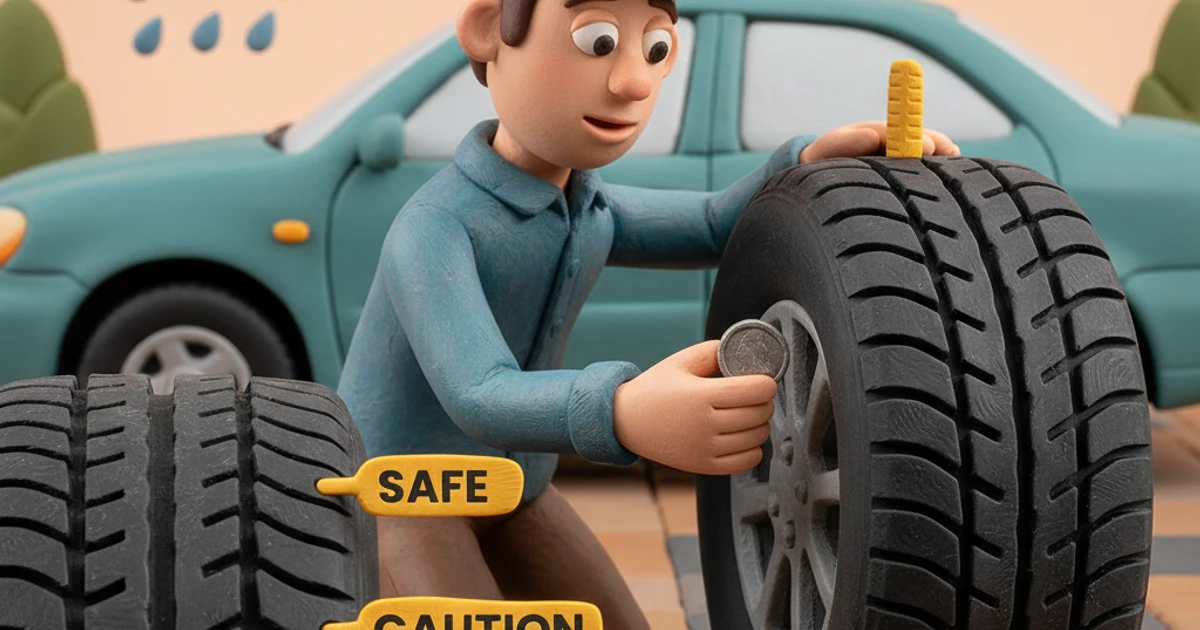
You can check tread depth in your driveway in under five minutes. The penny test is the classic: insert a penny into the groove with Lincoln’s head upside down and facing you. If you can see the top of his head, your tread is at or below 2/32″ and the tire should be replaced.
For winter readiness, use a quarter. If Washington’s head is fully visible, you’re around 4/32″—borderline for snow and slush common on routes like I-480 or Snow Road. Also look for the built-in tread wear bars running across the grooves; when the tread is level with those bars, the tire is at about 2/32″ and worn out.
Tread Depth Guidelines for Cleveland Rain, Snow, and Winter
Cleveland’s mix of heavy rain, slush, and freeze-thaw cycles means EVs and work vans need more conservative tread depth targets. For strong wet braking and better hydroplaning resistance, many local drivers choose to replace at 4/32″ instead of waiting for the legal minimum.
For frequent snow and ice, aim for at least 5/32″–6/32″ on all-season tires or consider dedicated winter tires for vehicles that run year-round in Northeast Ohio. Tires2You offers mobile tire replacement in Cleveland, OH, so you can swap worn or seasonal tires at home or at the office without ever visiting a shop—ideal for Tesla, Rivian, and small business fleets trying to minimize downtime.
Reference: Tire Replacement Guide – When & How to Replace Tires
3. Mileage Signs: When Tire Wear and Distance Traveled Say It’s Time
Typical Tire Mileage Ranges
Even if your tread still looks decent, mileage is a powerful clue that your EV’s tires are nearing the end. Most quality passenger and all-season tires are designed to last around 40,000–60,000 miles under normal driving, while some budget models promise closer to 30,000 miles.
High-performance or softer-compound tires—like those commonly fitted on Tesla Model 3 Performance or Ford Mustang Mach‑E GT—may wear out in the 20,000–40,000 mile range, especially with spirited driving. Real-world life varies with road quality, alignment, and how often you rotate. On Cleveland’s mix of I‑90 freeway and pothole-prone side streets, expect to be toward the lower end of those ranges.
Why EVs May Wear Tires Faster
EVs deliver instant torque, which can scrub tread off quickly when you enjoy hard launches. A Tesla Model Y or Rivian R1T can easily spin or stress the driven tires when pulling away from lights or merging onto I‑271, shaving thousands of miles off potential tire life.
Those same vehicles are also heavier than comparable gas models, so each stop, start, and corner puts more load on the rubber. Regenerative braking changes wear patterns too, often wearing rear tires faster on some EVs. That’s why pairing mileage tracking with monthly visual checks (and simple quarter or penny checks like Consumer Reports’ guidance on when to replace your tires) matters for EV owners.
Using Odometer and Service History for Planning
To stay ahead of issues, treat your odometer like a maintenance countdown. Note the mileage when new tires go on—either in your phone, fleet software, or glovebox log—and compare it regularly against the tire’s warranty rating (for example, 60,000 miles).
If your fleet of Chevy Bolts had tires installed at 25,000 miles and they’re rated for 50,000 miles, you should plan inspections and possible replacement as you approach 65,000–70,000 miles, not after a blowout on I‑480 during rush hour. For Northeast Ohio winters, aim to schedule inspections before snow season hits—even if you’re shy of the full mileage rating.
Replacing Based on Mileage Even If Tread Looks Acceptable
Mileage matters even when tread appears okay. By the time a tire has reached or exceeded its 50,000–60,000 mile rating, internal components may be fatigued from heat cycles, curb impacts, and heavy loads. That hidden damage can raise the risk of a high-speed failure, especially on heavily loaded work vans or rideshare EVs.
For safety, don’t wait until you’re at the legal minimum of 2/32″ tread (or you can see Lincoln’s head on the penny test). For EVs and daily-use fleets in Cleveland, replacing high-mileage tires early—especially as winter approaches—reduces the chance of blowouts and improves wet and snow traction. Tires2You can handle that replacement at your driveway or depot in Cleveland, OH, so you avoid shop waiting rooms and keep your vehicles on the road.
Reference: Not sure when it’s time to rotate your tires? Here are the key …
4. Visual Warning Signs: Cracks, Dry Rot, and Uneven Wear You Shouldn’t Ignore
4. Visual Warning Signs: Cracks, Dry Rot, and Uneven Wear You Shouldn’t Ignore
Identifying Dry Rot and When to Replace Immediately
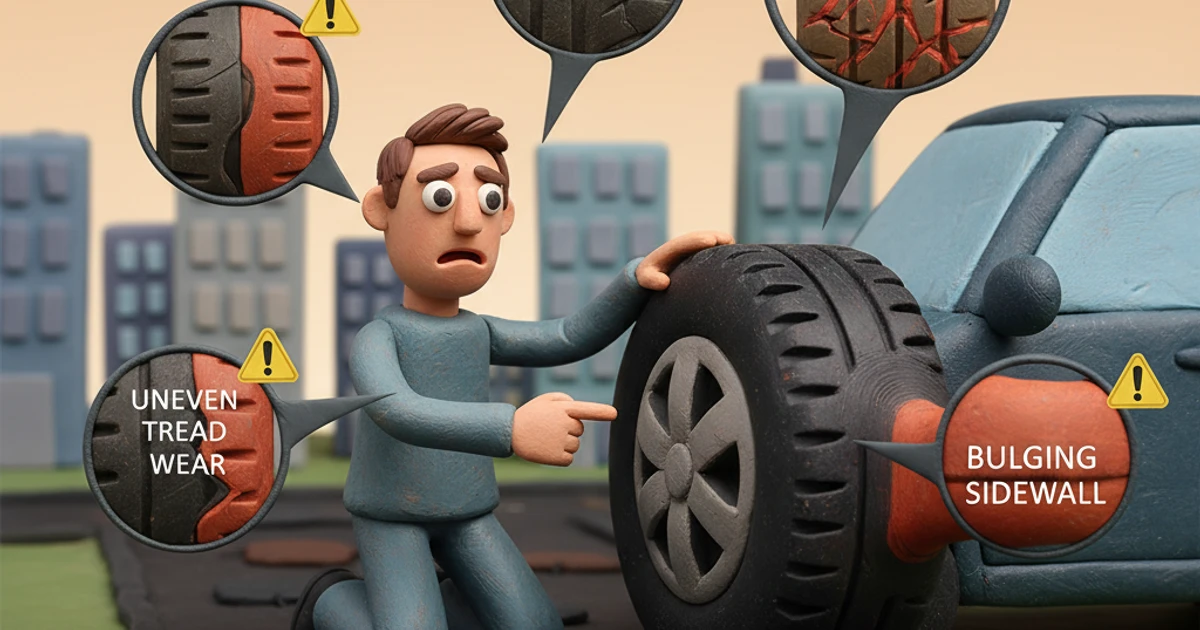
Dry rot is one of the most overlooked tire problems, especially on EVs that sit parked for long stretches or carry heavy battery weight. It shows up as small cracks on the sidewall or between tread blocks, often with a dull, faded look instead of a deep black finish.
If those cracks are deep, widespread, or the rubber looks flaky, the tire has become brittle and can fail without much warning. Even if you still have more than 4/32″ of tread left, dry rot means the tire is no longer safe—especially on Northeast Ohio winter roads where cold temps and salt stress the rubber.
Once you see significant dry rot, replace the tire immediately, even if you haven’t hit the typical 40,000–60,000-mile range many all-season tires are rated for. Tires2You can inspect and replace dry-rotted tires right in your Cleveland driveway or fleet lot, so you don’t have to schedule shop time.
Sidewall Damage, Bulges, and Cuts
Sidewall damage is one of the clearest signs your tire is living on borrowed time. Bulges or bubbles on the sidewall usually mean the internal cords were damaged by an impact—like hitting a downtown Cleveland pothole on Carnegie Avenue or clipping a high curb pulling into a tight Ohio City parking spot.
Deep cuts, gashes, or any spot where you can see fabric cords are red-flag issues. These weaken the tire’s structure and sharply increase the risk of a blowout at highway speeds on I-480 or I-90. Industry guidance from groups like the U.S. Tire Manufacturers Association is clear: any sidewall bulge or severe cut means the tire should be replaced, not repaired.
Until it’s replaced, avoid highway driving and high speeds. A mobile service like Tires2You can come to your home or depot so your EV or work van isn’t stranded or forced into a risky drive to a shop.
Uneven Tread Wear Patterns
Uneven wear is common on heavier EVs like the Tesla Model Y or Rivian R1T, especially with instant torque and frequent stop-and-go driving around Cleveland. When tread wears unevenly, it shortens tire life and can hide low spots that drop below the safe 2/32″ minimum tread depth.
Cupping or scalloped wear usually points to worn shocks or suspension components and often shows up as vibration and a humming noise above 40 mph. Inner or outer edge wear often indicates misalignment—something that can happen quickly after a hard hit to a pothole on East 55th Street.
Center wear suggests chronic overinflation, while wear on both outer edges points to underinflation. Use the penny test: insert a penny into several tread grooves with Lincoln’s head upside down. If you can see the top of his head anywhere, tread is near or below 2/32″ and the tire should be replaced. Many EV drivers in Northeast Ohio opt for replacement closer to 4/32″ for better winter traction.
How Cleveland Roads Speed Up Visible Tire Damage
Cleveland and broader Northeast Ohio conditions are especially hard on EV and fleet tires. Freeze-thaw cycles create deep potholes that can bend wheels, knock alignment out of spec, and damage internal tire belts—problems that often first show up as bulges, vibration, or uneven wear.
Road salt and de-icing chemicals used heavily along routes like I-271 and the Shoreway accelerate rubber aging, leading to earlier cracking and dry rot. Frequent parallel parking against high concrete curbs around University Circle or Downtown garages also scrapes and bruises sidewalls, raising failure risk over time.
Regular visual checks—ideally every month and before harsh winter storms—help you catch this damage before it becomes dangerous. If you spot any of these warning signs, Tires2You offers mobile tire replacement in Cleveland, OH, so you can swap unsafe tires for winter-ready ones without pulling your EV or service vehicles out of service for a shop visit.
Reference: Signs of Structural Damage in Homes & Buildings
5. Age Matters: When to Replace Tires Even If Tread Looks Fine
5. Age Matters: When to Replace Tires Even If Tread Looks Fine
Finding and Reading the DOT Date Code
Even if your tread is well above 2/32″ and easily passes the penny test, tire age can still make them unsafe. Every tire sold in the U.S. has a DOT date code on the sidewall that tells you when it was manufactured.
Look for a sequence starting with “DOT,” followed by letters and numbers, and ending in four digits. Those last four digits are the key: for example, “2319” means the tire was made in the 23rd week of 2019. Tires on a used Tesla Model 3 or Rivian R1T in Cleveland often show mixed dates because one or two may have been replaced after a pothole impact.
Check all four tires, not just one. It’s common for a fleet van or rideshare vehicle to have two newer tires on the front and older, original tires on the rear. Tires2You can read and document these DOT codes on-site in Northeast Ohio so you know exactly how old each tire is without visiting a shop.
General Age-Based Replacement Guidelines
Most major manufacturers like Michelin, Goodyear, and Bridgestone advise replacing tires around 6–10 years from the date of manufacture, even if tread depth still looks healthy. That means a tire with 7/32″ of tread and only 20,000 miles can still be due for retirement based on age alone.
In real-world terms, a Tesla that averages just 5,000 miles per year in Cleveland might hit the 6-year age mark long before it reaches the typical 40,000–50,000-mile tread wear range. Always compare the DOT date to your owner’s manual and the tire maker’s guidance so you’re not unknowingly driving on overage rubber.
How Rubber Changes Over Time in Cold and Variable Climates
Rubber doesn’t just wear down; it chemically ages. UV light, ozone, and temperature swings slowly harden the compound, making it less flexible. In Northeast Ohio, where roads can swing from 10°F lake-effect storms to 50°F thaws in a week, that aging accelerates.
Repeated freeze–thaw cycles and rock salt exposure can cause tiny surface cracks that eventually deepen. Even with 5/32″ of tread, a hardened tire will grip poorly on wet I-90 pavement or packed snow in Lakewood. Drivers often notice longer stopping distances and easier wheelspin when pulling away from lights in winter, even though the tread “looks fine.”
Why Low-Mileage EVs and Fleet Spares Still Need Age-Based Replacement
Low-mileage EVs and spare fleet vehicles are especially at risk because they often sit for long stretches. A garage-parked Tesla Model Y in Shaker Heights might show nearly full tread at 30,000 miles, but if the DOT code says 2016, the rubber may be past its safest service life.
Fleet managers in Cleveland with backup service vans or seasonal vehicles can see flat-spotting, sidewall dry rot, and vibration even at low mileage. Those issues won’t show up in a quick tread-depth check. Replacing based on age keeps seldom-used vehicles ready for sudden winter deployments without unpleasant surprises.
Tires2You offers mobile tire replacement across Cleveland and surrounding suburbs, so you can update aged tires—on EVs or fleets—right in your driveway or yard. That means no shop queues, less downtime, and safer tires when Northeast Ohio weather turns unpredictable.
Reference: Is there an age limit after which I should change the tires …
6. EV- and Fleet-Specific Factors: Range, Load, and Driving Style
6. EV- and Fleet-Specific Factors: Range, Load, and Driving Style
Tire Condition, EV Range, and Driving Comfort
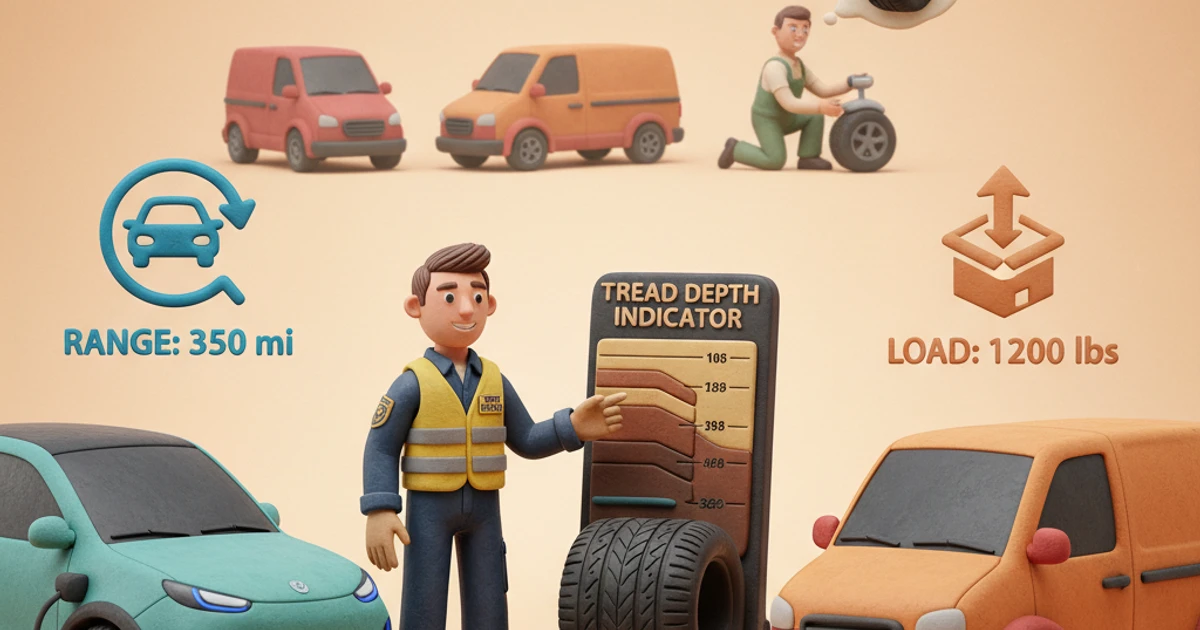
EVs like the Tesla Model 3 and Rivian R1T are extremely efficient, so small tire issues have a big impact on range. Underinflated or worn tires increase rolling resistance, forcing your battery to work harder and cutting range by 3–5% or more according to tests from Consumer Reports. In Cleveland stop-and-go traffic, that can mean losing 10–15 miles of usable range on a single charge.
Uneven wear also defeats one of the best parts of EVs—the quiet cabin. Cupped or feathered tread creates a droning noise and vibration that’s very noticeable at 40–60 mph. Regular rotations and pressure checks help preserve both range and ride comfort, and Tires2You can perform these services on your driveway or at your office anywhere in Cleveland, so you skip the shop visit.
Fleet Considerations: Load and Duty Cycles
Service vans, delivery EVs, and work trucks in Northeast Ohio often run close to their GVWR with tools, parts, and packages. A loaded Ford E-Transit or Rivian commercial van puts far more stress on tires than a typical commuter, especially over Cleveland’s potholes and winter-rutted streets. That extra weight flattens tread blocks and can cut tire life from 50,000 miles down to 25,000–35,000 miles.
Urban fleets also see rapid wear from tight turns, curb strikes, and constant stop-and-go. High-torque EV launches and strong regenerative braking change wear patterns compared with idling gas vans. Fleet managers in Cleveland can reduce downtime by scheduling routine mobile inspections and replacements with Tires2You, timed to vehicle duty cycles instead of shop availability.
Driving Habits That Accelerate Tire Wear
Instant torque makes EVs fun, but hard launches and aggressive cornering scrub off tread quickly. A Tesla Model Y repeatedly driven with “Sport” acceleration settings and rapid highway merges can burn through performance tires in 20,000–25,000 miles instead of 40,000+. In wet or slushy Lake Erie lake-effect conditions, that reduced tread depth also increases braking distances.
Frequent high-speed driving on I-480 or I-90 generates more heat, especially in summer, which can harden rubber and shorten life. Skipping rotations and alignment checks lets minor edge wear turn into severe cupping. A simple 5,000–7,500 mile rotation schedule, paired with an alignment check when you notice pulling or steering wheel vibration, helps keep tires wearing evenly.
Early Replacement for Critical-Use Vehicles
For rideshare EVs, last-mile delivery vehicles, and service vans that run daily in Cleveland, waiting until the legal minimum 2/32″ tread depth is risky. The penny test—where Lincoln’s head is fully visible—means you’re already at that minimum. In Northeast Ohio snow and slush, safety experts often recommend replacing all-season tires closer to 4/32″ for better wet and winter traction.
Critical-use vehicles should track mileage and tread depth for each position and plan replacements around 30,000–40,000 miles, or earlier if heavy loads and winter routes are common. Tires2You offers mobile tire replacement in Cleveland, OH, so your vans, EVs, and service trucks get new rubber in your lot or driveway without coming off the road for half a day at a shop.
Reference: Top EV Range Factors Impacting Fleet Efficiency
7. Practical Tire Maintenance Tips to Extend Life and Improve Safety
Simple Regular Inspections You Can Do at Home
Quick visual checks at home can add thousands of miles to your tires and prevent roadside breakdowns. For EVs like a Tesla Model 3 or Rivian R1T, that extra weight and instant torque make tire condition even more critical.
Once a month, measure tread depth on all four tires. Use the penny test: insert a penny with Lincoln’s head down—if you can see the top of his head, you’re below 2/32″ and need replacement. Many safety experts recommend replacing closer to 4/32″ for wet Ohio highways.
Scan sidewalls and tread for cracks, bulges, screws, or nails. If you notice new vibration at 55–65 mph or a pull in the steering wheel, it can signal balance or alignment issues that will chew through a set of 50,000‑mile tires in half the time.
Proper Tire Inflation for EVs and Fleets
Correct air pressure is one of the easiest ways to protect your tires and improve safety. For EVs and loaded service vans, even a 3–5 psi drop can increase heat buildup and shorten tire life.
Always use the pressure on the driver’s door jamb or owner’s manual, not the max psi stamped on the tire. Check at least once a month when tires are cold—before you start driving. Underinflation cuts range on vehicles like a Chevy Bolt or Ford E-Transit and raises blowout risk on I‑90 or I‑480.
Many Cleveland fleet managers use digital gauges and log checks every 30 days. If you’d rather skip the hassle, Tires2You can come to your lot or driveway in Cleveland, OH to inspect and adjust tire pressure on the spot.
Rotation, Balancing, and Alignment Schedules
Because EVs deliver instant torque, they can wear tires faster—especially on the driven axle. Regular rotation helps spread that wear so you get closer to the advertised 40,000–60,000‑mile life.
Rotate every 5,000–8,000 miles or at each oil-change interval for gas fleet vehicles. If you feel a shake at specific speeds, have the tires balanced to reduce vibration and prevent cupping. After a hard hit on a Cleveland pothole, schedule an alignment check; uneven shoulder wear or a steering wheel that’s slightly off-center are warning signs.
Tires2You offers mobile rotations and replacements in Cleveland, OH, so your EV or delivery vans don’t have to sit in a shop bay losing billable hours.
Seasonal Tips for Northeast Ohio Drivers
Northeast Ohio winters bring lake-effect snow, black ice, and deep slush that challenge even new tires. Dedicated winter tires can dramatically shorten stopping distances compared with all-seasons once temperatures dip below about 45°F.
Many Cleveland Tesla owners switch to winter tires like the Michelin X-Ice or Bridgestone Blizzak in November and change back in April to prevent fast warm‑weather wear. After pothole season, inspect wheels for bends and have alignment checked if the car drifts on a straight stretch of I‑71.
Road salt can corrode wheels and accelerate rubber aging. Rinse wheels and tires regularly at touchless washes in Parma or Lakewood, focusing on the inner barrels. If winter damage has your tread below 2/32″, Tires2You can perform mobile tire replacement at your home or office so you avoid waiting rooms and snowy parking lots.
Reference: 7 Tire Maintenance Tips to Prevent Blowouts and Extend …
8. When to Call a Pro: Replacing Tires Without Visiting a Shop
DIY Check Results: Replace Now vs. Monitor
Start by checking tread depth and overall tire health before you decide whether it’s safe to keep driving. For EVs like a Tesla Model 3 or Rivian R1T, extra weight and instant torque can wear tires faster than the typical 40,000–60,000‑mile range many all-season tires are rated for.
Replace immediately if tread is at or below 2/32″ (the legal minimum) or you fail the penny test—if you insert a penny into the tread and can see all of Lincoln’s head, the tire is too worn. Call a pro right away if you spot sidewall bulges, deep cuts, severe dry rot, or exposed cords, as these issues can lead to sudden blowouts at highway speeds on I‑480 or I‑90.
If tread is above 2/32″ but you notice uneven wear—like the inside edges wearing faster on a Nissan Leaf—monitor closely and schedule an inspection. Small cracks or feathered tread blocks often point to alignment or inflation issues that will only worsen under Northeast Ohio winter conditions with frequent freeze–thaw cycles and potholes.
When you’re unsure what you’re seeing, treat that uncertainty as a reason to consult a professional instead of guessing. Tires2You offers mobile tire replacement in Cleveland, OH, so you can get expert advice in your driveway without risking a drive on questionable rubber.
What a Professional Tire Inspection Covers
A professional inspection looks beyond a quick visual check and focuses on how your tires are actually contacting the road. For EVs that use regenerative braking heavily—like Hyundai IONIQ 5 or Ford F‑150 Lightning—pros pay close attention to front-tire wear and braking patterns.
Technicians measure tread depth at multiple points around each tire with a tread gauge to spot cupping, heel-toe wear, or center vs. edge wear differences. This is more precise than a penny test and can reveal problems even when you still have more than 4/32″ of tread remaining.
They’ll also closely inspect sidewalls, beads, and tread surface for punctures, impact bubbles from Cleveland’s potholes, and early dry rot from age. A good inspection includes checking for nails or screws that may cause slow leaks, especially common on work vans visiting construction sites around the Flats and downtown.
Finally, a pro evaluates alignment, balance, and potential suspension issues that create irregular wear. If your Tesla shows a slight pull on I‑271 or your steering wheel vibrates at 65 mph, that may indicate balance or alignment problems that will quickly chew through even premium tires.
Benefits of Mobile Tire Replacement for EV Owners and Fleets
Driving on unsafe tires just to reach a shop can be risky, especially during a lake-effect snow event off Lake Erie. Mobile tire replacement removes that risk by bringing the service directly to your home, office, or fleet yard so you never have to roll on borderline tires.
For busy EV owners commuting between Westlake and downtown Cleveland, on-site service can mean swapping a full set of winter tires in your driveway before work. Instead of losing half a day at a shop, you keep working while the technician handles the tires in your garage or parking lot.
Fleet managers running electric vans for local delivery routes—such as e‑Transit or BrightDrop vehicles—benefit from minimized downtime when tire rotations, replacements, and repairs happen right at the depot. Keeping vehicles in service is often more valuable than squeezing out the last 1/32″ of tread.
Mobile service is especially helpful for EVs with no spare tire and unique jack points, like many Tesla and Polestar models. A trained mobile technician brings the correct jack pads and torque settings, reducing the chance of battery-pack or underbody damage that can occur with incorrect lifting at a traditional shop.
How Mobile Service Supports Cleveland-Area Drivers
Cleveland and the broader Northeast Ohio region are tough on tires, with deep winter ruts, salt, and potholes from Parma to Mentor. Mobile tire services like Tires2You come directly to your driveway, workplace, or fleet lot to inspect and replace worn tires before they become a hazard.
This on-site approach helps drivers and fleets reduce downtime when roads are slick or schedules are packed, such as during heavy snow weeks in January or peak construction season. Instead of pulling multiple vans off the road, a fleet manager in Independence can schedule staggered mobile visits in the yard.
By planning mobile tire care around your mileage, tread depth, and visible damage, you can stay ahead of problems without disrupting your day. For example, a Tesla owner in Lakewood might book a weekend appointment when tread drops to 4/32″ before winter, ensuring safe grip for slush and black ice on Detroit Avenue.
Tires2You provides mobile tire replacement in Cleveland, OH and surrounding suburbs, allowing EV owners and businesses to stay safely on the road without ever setting foot in a tire shop. That convenience makes it easier to replace tires when needed instead of putting it off until it becomes an emergency.
Reference: My car needs new tires. Should I call around tire shops to …
Conclusion: Key Signs It’s Time to Replace Your Tires
Main Indicators You Shouldn’t Ignore
Knowing exactly when to replace your tires keeps your EV or fleet vehicles safe and predictable on Cleveland roads. The first red flag is tread depth at or below 2/32″—if Lincoln’s head is fully visible in the penny test anywhere across the tire, braking distance on wet pavement can increase dramatically.
For many EVs like the Tesla Model 3 or Rivian R1T, quicker torque wear often means replacement around 25,000–35,000 miles, even if the tire is rated for 40,000–50,000 miles. Fleet vans that run delivery routes across Cuyahoga County can hit that threshold even faster because of constant stop‑and‑go driving.
Visible damage is another non‑negotiable sign. Deep sidewall cracks, dry rot from repeated Cleveland freeze-thaw cycles, bulges from pothole impacts on I‑480, or severe inner-edge wear from misalignment all mean the tire’s integrity is compromised. Even if tread looks decent, any tire older than 6–10 years based on the DOT date code should be replaced to avoid age-related failures.
Staying Ahead of Problems in Northeast Ohio
Northeast Ohio’s mix of lake-effect snow, slush, and potholes makes worn tires especially risky. Drivers heading from Cleveland to Mentor on I‑90 before a storm are far safer with fresh tread above 4/32″ and tires younger than six years, rather than waiting until they legally hit 2/32″.
A simple three-step habit helps: track mileage, check tread monthly, and read DOT dates at every seasonal change. Many local businesses that run service vans in Parma and Lakewood schedule pre-winter tire checks to avoid breakdowns during their busiest months.
Tires2You supports this proactive approach with mobile tire replacement in Cleveland, OH, so you don’t have to shuffle vehicles to a shop or pull your Tesla or work van out of service. Technicians come to your driveway or lot, swap worn tires on-site, and help you choose options that handle Northeast Ohio winters and daily EV torque demands reliably.
FAQs: Common Questions About When to Replace Tires
Tread Depth vs. Mileage: Which Matters More?
EV drivers in Cleveland often wonder whether to trust the odometer or the tread when deciding on replacement. Both matter, but safety starts with tread depth, especially on wet I-90 or I-480 commutes.
Always replace tires at or below 2/32″ of tread, which you can spot with the penny test—if you can see all of Lincoln’s head, the tire is too worn. Many EV tires last 25,000–40,000 miles, but heavy Teslas or Rivians driven hard may hit the wear bars sooner.
If your tires still show decent tread at higher mileage, look at age (6+ years is a red flag), visible cracks, and vibration at highway speeds. Tires2You offers mobile tire replacement in Cleveland, OH, so if you’re unsure, a technician can inspect and swap them at your driveway instead of you visiting a shop.
Winter Replacement Timing in Northeast Ohio
Northeast Ohio winters bring lake-effect snow, freeze–thaw cycles, and ice that quickly expose weak tires. Relying on nearly bald all-season tires on I-271 or Route 2 in January is risky, even if they’re technically above the legal limit.
For winter traction, aim for at least 5/32″–6/32″ of tread before the first consistent freeze, usually late November around Cleveland. For example, a Chevy Bolt running at 4/32″ in October should plan a replacement before heavy snow in December.
If your tread is borderline in late fall, schedule a swap to winter tires or fresh all-seasons before peak snowstorms. Tires2You can come to your home or fleet yard, change out your set, and even rotate them so your EV or service vehicles stay ready for harsh Northeast Ohio conditions without shop downtime.
Leave a Reply